One Sample T-test in R

One sample t test using r

One sample t-test is a fundamental statistical tool used to determine whether the mean of a single sample differs significantly from a known or hypothesized population mean. It is especially useful when the population standard deviation is unknown and the sample size is relatively small. This blog post provides a comprehensive overview of the one … Read more

Pearson correlation in R

pearson correlation in r

The Pearson correlation coefficient, sometimes known as Pearson’s r, is a statistic that determines how closely two variables are related. Its value ranges from -1 to +1, with 0 denoting no linear correlation, -1 denoting a perfect negative linear correlation, and +1 denoting a perfect positive linear correlation. A correlation between variables means that as … Read more

Chi-Square test using R

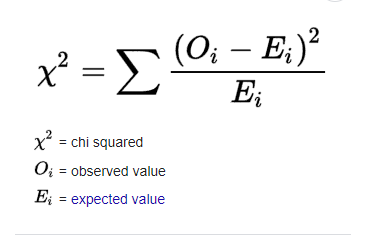
chi-square test

The Chi-Square Test widely examines relationships between categorical variables as a statistical method. Researchers and analysts apply it in hypothesis testing across various fields, including business, healthcare, and social sciences. This guide will explain the fundamentals, its types, applications, and how to interpret the results. What is the Chi-Square Test? The Chi-Square Test is a … Read more

Random Forest in R

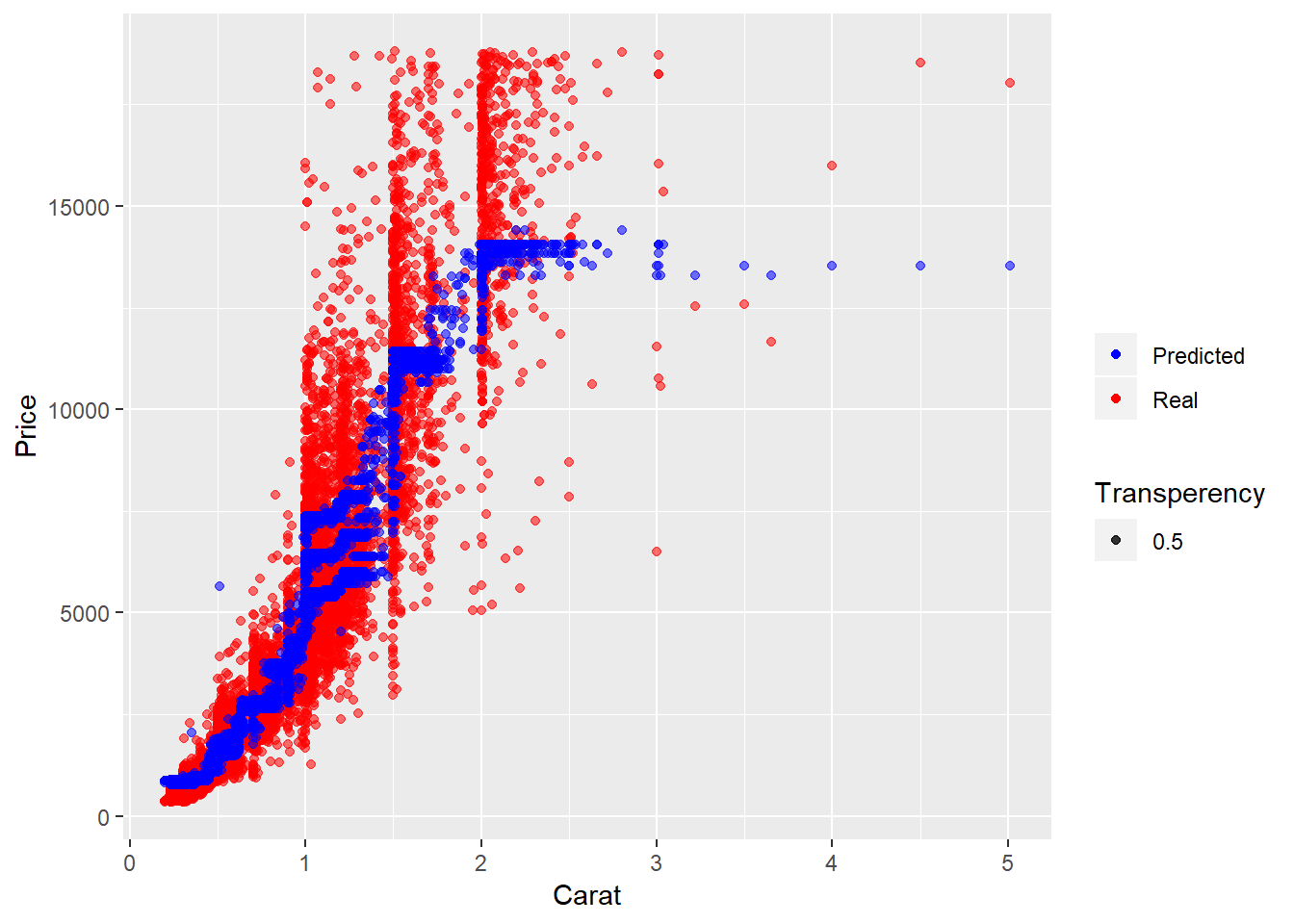
random forest graph

Random Forest is one of the most widely used ensemble learning techniques in machine learning and statistics. It is a powerful algorithm that enhances prediction accuracy and minimizes overfitting. This article explores the fundamentals of Random Forest, how it works, and its applications in various domains. More precisely, Random Forest is a strong ensemble learning … Read more

Paired sample t-test using R

paired sample t-test

The paired sample t-test, sometimes called the dependent sample t-test, is a statistical procedure used to determine whether the mean difference between two sets of observations is zero. In a paired sample t-test, each subject or entity is measured twice, resulting in pairs of observations. The steps involved in paired sample t-test are following: Introduction Paired … Read more

One-Way ANOVA using R

The one-way analysis of variance (ANOVA) is used to determine whether there are any statistically significant differences between the means of three or more independent (unrelated) groups. This guide will provide a brief introduction to the one-way ANOVA, including the assumptions of the test and when you should use this test. One-way ANOVA contains the … Read more

Two-Way ANOVA using R

A two-way ANOVA test is a statistical test used to determine the effect of two nominal predictor variables on a continuous outcome variable. A two-way ANOVA tests the effect of two independent variables on a dependent variable. This blog post contains the following steps of two-way ANOVA in r: Introduction to two-way ANOVA We can use … Read more

Cluster analysis using R

Cluster analysis is a statistical technique that groups similar observations into clusters based on their characteristics. It is a statistical method of processing data. A good cluster analysis produces high-quality clusters with high inter-class correlation. This blogpost contains the following steps of cluster analysis: Introduction to cluster analysis Clustering is the task of dividing the … Read more

Principal Component Analysis (PCA) using R

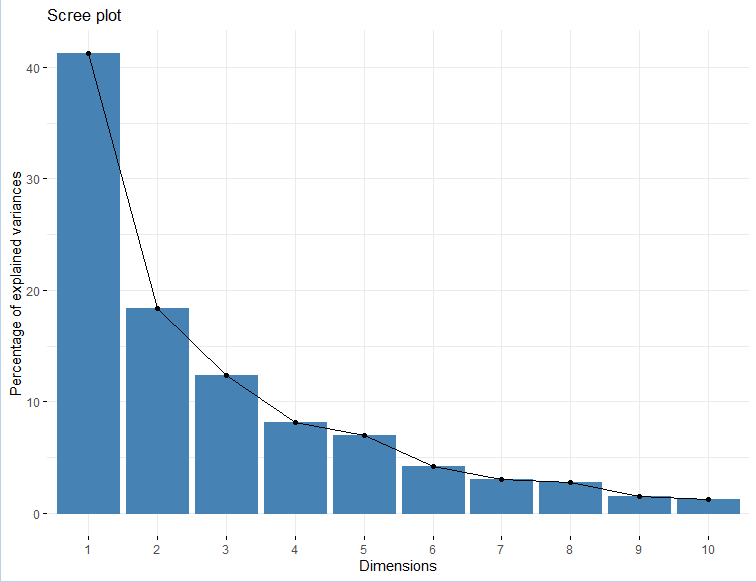
scree plot of PCA

PCA means Principal Component Analysis. Principal Component Analysis (PCA) is a powerful dimensionality reduction technique widely used in statistics, machine learning, and data analysis. In simpler terms, it’s a way to simplify complex data by reducing the number of variables while retaining the most important information. PCA is a multivariate technique that is used to … Read more

Multicollinearity: Why Occur and How to Remove

Multicollinearity

Multicollinearity, a term that often sends shivers down the spines of statisticians and data scientists, is a phenomenon encountered in regression analysis where two or more predictor variables in a multiple regression model are highly correlated. While correlation itself isn’t inherently bad, high multicollinearity can wreak havoc on your model’s interpretation and performance, leading to … Read more

You cannot copy content of this page